Stress is a common experience in modern life, arising from work pressures, personal responsibilities, and the general demands of a busy schedule. When left unmanaged, chronic stress can have a significant impact on both mental and physical health, leading to issues like anxiety, fatigue, and burnout. Fortunately, one of the most effective and accessible tools for managing stress is physical exercise. Movement helps the body process stress hormones like cortisol and adrenaline while stimulating the production of endorphins, the body’s natural mood elevators.
Therapists often recommend specific types of exercise not just for their physical benefits but for their profound mental and emotional impact. These activities provide a structured way to channel nervous energy, clear the mind, and build resilience against future stressors. This article explores ten exercises that are frequently suggested by mental health professionals for their proven ability to alleviate stress. Incorporating these practices into a regular routine can lead to a calmer mind, a healthier body, and a greater sense of overall well-being.
1. Deep Belly Breathing (Diaphragmatic Breathing)
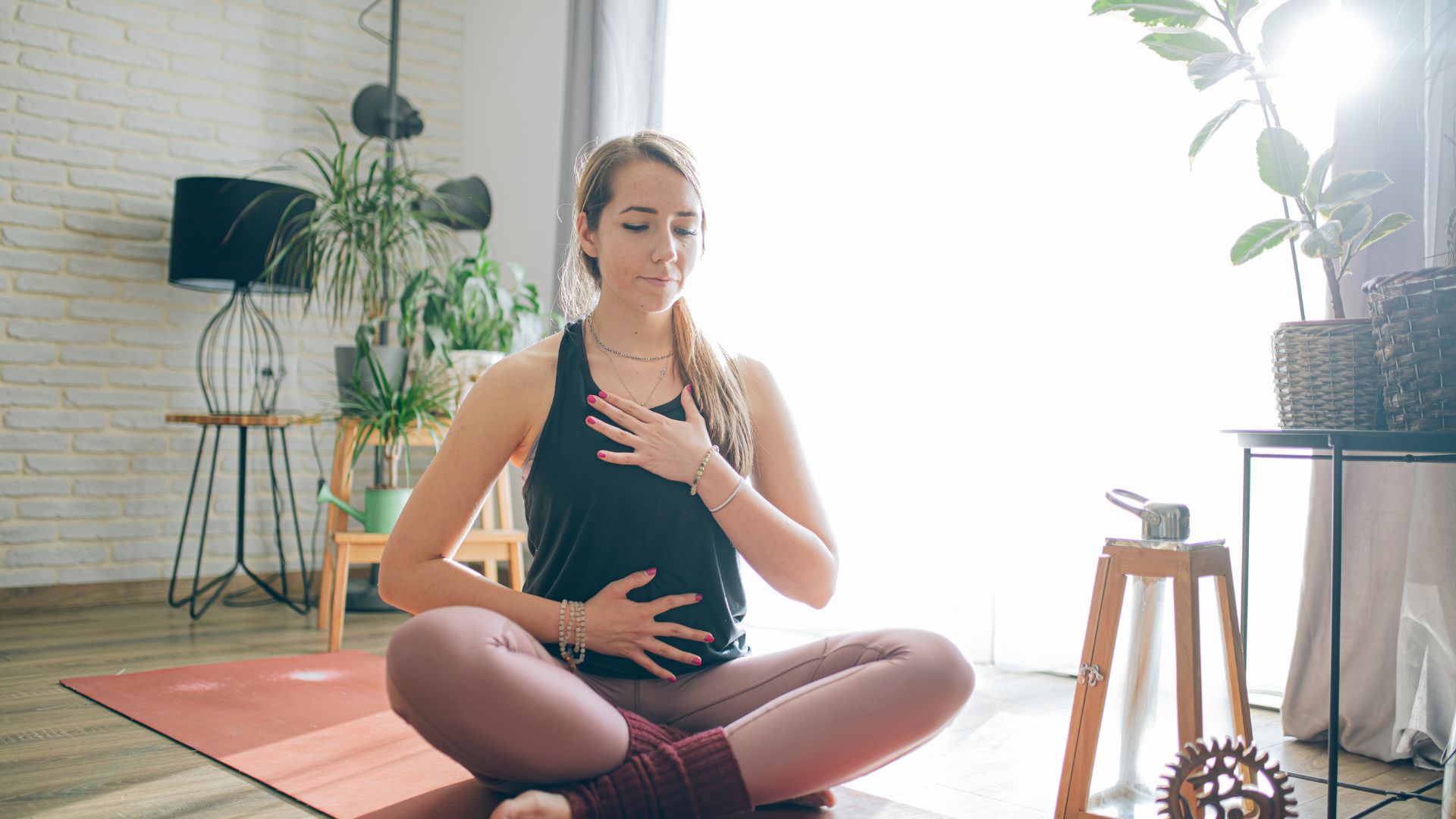
Deep belly breathing, also known as diaphragmatic breathing, is a foundational technique for immediate stress reduction. Unlike shallow chest breathing, which often accompanies feelings of anxiety, deep breathing engages the diaphragm, a large muscle at the base of the lungs. This type of breathing activates the parasympathetic nervous system, which is responsible for the body’s “rest and digest” response. This physiological shift helps to slow the heart rate, lower blood pressure, and create a sense of calm throughout the body. It is an exercise that can be performed anywhere, at any time, making it an incredibly practical tool for managing acute moments of stress.
To practice, find a comfortable position, either sitting or lying down. Place one hand on the chest and the other on the belly, just below the rib cage. Inhale slowly through the nose for a count of four, allowing the belly to expand and push the hand outward while the chest remains relatively still. Hold the breath for a moment, and then exhale slowly through the mouth for a count of six, feeling the belly fall. Repeating this cycle for just a few minutes can interrupt the body’s stress response and bring the mind into the present moment, providing a quick and effective reset.
2. Progressive Muscle Relaxation (PMR)
Progressive Muscle Relaxation is a powerful mind-body technique used to release physical tension stored in the body. The practice involves systematically tensing and then relaxing different muscle groups, which helps individuals become more aware of the physical sensations of stress. By deliberately creating and then releasing tension, a person can achieve a profound state of physical relaxation, which in turn calms the mind. This exercise is often recommended in Mental Health Counseling as a practical skill for managing anxiety and improving sleep quality, as it directly addresses the physical symptoms of stress.
To begin, find a quiet place to lie down comfortably. Starting with the feet, consciously tense the muscles by curling the toes for about five seconds. Focus on the feeling of tightness. Then, abruptly release the tension and notice the contrasting sensation of relaxation for about 15 seconds. Continue this process, moving upward through the body: tense and relax the calves, thighs, glutes, abdomen, hands, arms, shoulders, and finally, the muscles in the face. This systematic process not only relieves physical tightness but also serves as a form of meditation, drawing focus away from anxious thoughts and grounding it in bodily sensations.
3. Mindful Walking
Mindful walking transforms a simple, everyday activity into a meditative practice for stress relief. Instead of walking on autopilot while lost in thought, this exercise involves paying deliberate attention to the experience of walking. This means focusing on the physical sensations: the feeling of the feet hitting the ground, the rhythm of the breath, the movement of the arms, and the sights and sounds of the surrounding environment. By anchoring the mind in the present moment, mindful walking provides a break from the cycle of worry and rumination that often fuels stress. It requires no special equipment and can be integrated into any part of the day.
To practice mindful walking, start by standing still and taking a few deep breaths to center yourself. As you begin to walk, bring your awareness to the motion of your body. Notice the heel of your foot connecting with the pavement, rolling through to the ball of your foot, and lifting off again. Pay attention to the subtle shifts in balance and the coordination of your limbs. When the mind inevitably wanders to other thoughts, gently guide it back to the physical act of walking. This practice of non-judgmental redirection is a core component of mindfulness and builds mental discipline that helps in managing stress off the path as well.
4. Yoga
Yoga is a holistic practice that combines physical postures (asanas), breathing techniques (pranayama), and meditation to unite the mind and body. Its benefits for stress relief are multifaceted. The physical postures help to release tension held in the muscles, particularly in common stress-holding areas like the neck, shoulders, and back. The focus required to hold different poses keeps the mind anchored in the present, providing a break from anxious thought patterns. Furthermore, the emphasis on controlled breathing directly stimulates the body’s relaxation response, helping to calm the nervous system and lower cortisol levels.
Regular yoga practice has been shown to increase body awareness and improve interoception—the sense of the internal state of the body. This heightened awareness can help individuals recognize the early signs of stress and respond to them more effectively. The meditative aspects of yoga can also foster a sense of inner peace and resilience. Over time, these benefits can lead to stronger emotional regulation and help to improve relationships by promoting a calmer and more patient demeanor. Whether it’s a vigorous Vinyasa flow or a gentle restorative class, yoga offers a path to stress relief for every fitness level.
5. Rhythmic Cardio (Running, Cycling, Swimming)
Rhythmic cardiovascular exercises like running, cycling, or swimming are highly effective at combating stress. These activities involve repetitive motions that can have a meditative effect, allowing the mind to disengage from daily worries and focus on the rhythm of the body. As the heart rate increases, the brain releases a cascade of neurochemicals, including endorphins, which act as natural painkillers and mood elevators. This “runner’s high” is a well-documented phenomenon that produces feelings of euphoria and well-being, providing a powerful antidote to stress and anxiety.
Engaging in sustained aerobic exercise also helps to regulate the body’s stress response system over the long term. It improves cardiovascular health, enhances sleep quality, and can reduce overall levels of tension. The focused effort required during a run or swim serves as a healthy outlet for pent-up energy and frustration. Even a moderate 20- to 30-minute session can have immediate calming effects that last for hours. The simple act of moving the body and getting the blood flowing is one of the most direct and efficient ways to clear the head and reset a stressed nervous system.
6. Tai Chi
Tai Chi is an ancient Chinese martial art that is often described as “meditation in motion.” It involves a series of slow, flowing, and gentle movements that are coordinated with deep breathing. Unlike high-impact exercises, Tai Chi is low-impact and puts minimal stress on the muscles and joints, making it suitable for people of all ages and fitness levels. The practice emphasizes focus, balance, and the smooth transition between movements, which requires a high degree of concentration. This mental engagement helps to quiet a racing mind and foster a state of relaxed awareness.
The health benefits of Tai Chi are well-documented, with studies showing it can reduce stress, anxiety, and depression. The slow, deliberate movements help to improve flexibility and balance, while the focus on breath cultivates a sense of inner calm. By promoting harmony between the mind and body, Tai Chi helps individuals develop a greater sense of control over their emotional and physical states. Consistent practice can also boost self-esteem as one masters the graceful and complex forms, fostering a sense of accomplishment and physical confidence that translates into other areas of life.
7. Dancing
Dancing is a joyful and expressive form of exercise that offers significant stress-relieving benefits. It combines physical activity, music, and often social interaction, all of which are powerful mood boosters. The physical act of dancing releases endorphins, reduces levels of stress hormones, and provides an excellent cardiovascular workout. Music has a direct effect on the brain, with certain rhythms and melodies capable of evoking positive emotions and reducing anxiety. The combination of movement and music creates a potent tool for emotional release and mental distraction.
Whether it is a structured class like Zumba or simply moving freely to favorite songs at home, dancing allows for creative self-expression that can be incredibly cathartic. It provides an outlet for releasing pent-up emotions without the need for words. Focusing on learning steps or simply getting lost in the rhythm diverts attention away from stressors and anchors the individual in a positive, high-energy activity. The fun and playful nature of dance can counteract feelings of being overwhelmed, offering a sense of freedom and release that few other exercises can match.
8. Strength Training
Strength training, or resistance exercise, is another powerful tool for stress management that is often recommended by a Mental Health Counselor. The act of lifting weights or using resistance bands requires intense focus and concentration, which serves as a form of active meditation. It forces the mind to be present and centered on the task at hand—contracting the correct muscles and maintaining proper form. This mental engagement provides a structured break from the cycle of anxious thoughts and worries that contribute to chronic stress. It channels mental energy into a productive and empowering physical activity.
Beyond the immediate mental benefits, regular strength training helps to build physical and mental resilience. The process of progressively challenging the muscles and seeing tangible improvements in strength fosters a sense of accomplishment and mastery. This can significantly improve confidence and self-efficacy, making individuals feel more capable of handling life’s challenges. Furthermore, strength training improves sleep quality and helps regulate mood by boosting endorphin production. The feeling of physical strength often translates into a feeling of mental fortitude, equipping individuals with a greater capacity to cope with stress.
9. Gardening
Gardening is a unique form of physical activity that connects individuals with nature and provides a gentle, sustained workout. The tasks involved, such as digging, planting, weeding, and watering, require physical effort that can help release tension and burn calories. More importantly, interacting with the natural world has been shown to have a profound calming effect on the nervous system. Exposure to sunlight boosts vitamin D and serotonin levels, which helps to improve mood. The simple act of putting hands in the soil can be a grounding experience that reduces feelings of anxiety.
The process of nurturing plants from seed to maturity offers a deep sense of purpose and accomplishment. It requires patience and attention, which helps to cultivate mindfulness. Watching a garden grow and flourish provides a tangible reward for consistent effort, which can be incredibly satisfying and therapeutic. This connection to the life cycle of plants can also provide a broader perspective, helping to put personal stressors into context. Gardening offers a peaceful escape from the pressures of daily life and a chance to engage in a productive, life-affirming activity.
10. Stretching and Mobility Work
While not a high-intensity exercise, dedicated stretching is a vital practice for stress relief. Chronic stress often leads to muscle tension, especially in the neck, shoulders, and back, as the body remains in a state of high alert. Gentle stretching helps to release this stored physical tension, sending signals to the brain that it is safe to relax. By elongating the muscles, stretching increases blood flow, reduces stiffness, and can alleviate the physical aches and pains associated with stress. It is a simple yet profound way to communicate with the body and encourage it to let go of its protective tightness.
Incorporating a short stretching routine into the morning or before bed can make a significant difference in overall tension levels. Simple neck rolls, shoulder shrugs, and hamstring stretches can provide immediate relief. Practices like yin yoga, which involve holding gentle stretches for several minutes, are particularly effective at releasing deep connective tissue and calming the nervous system. By consciously breathing into each stretch, the mind and body work together to release both physical and emotional stress, promoting a state of deep relaxation and improved flexibility.
Conclusion
Incorporating exercise into daily life is one of the most powerful strategies for managing stress and enhancing mental well-being. The ten exercises recommended by therapists offer a range of options to suit different preferences and fitness levels, from the immediate calm of deep breathing to the energetic release of dancing. These activities work by addressing stress on both a physical and psychological level, helping to regulate the body’s stress response while providing a healthy distraction for the mind. By making these practices a consistent part of a self-care routine, individuals can build resilience, improve their mood, and cultivate a greater sense of balance in their lives.