
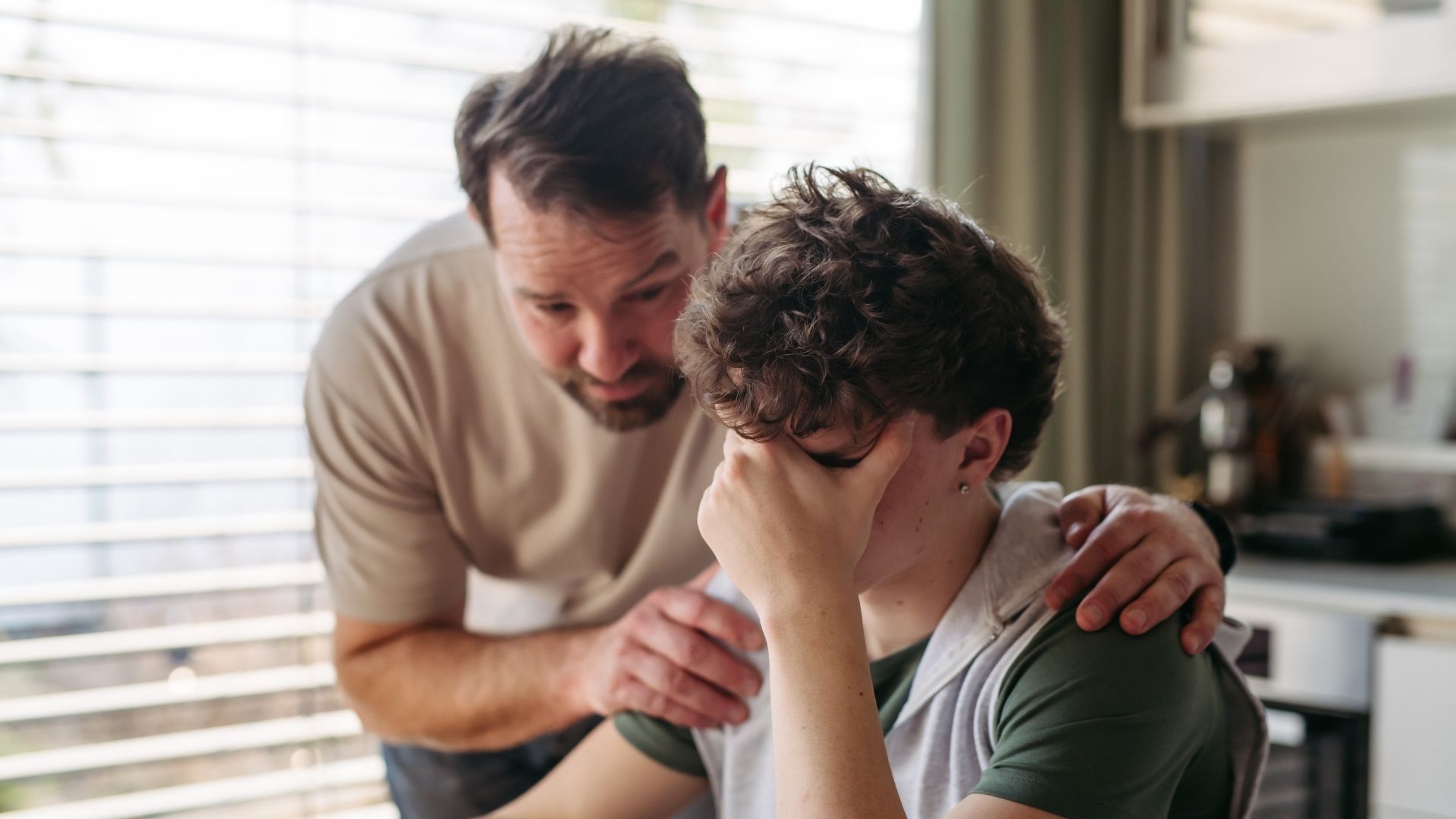
You didn’t sign up for this. Nobody hands you a manual when someone you love starts slipping away into addiction. One day you’re worrying about ordinary things like homework or house payments, and the next you’re checking phones, counting pills, or lying awake wondering if tonight is the night the phone rings with bad news. If that sounds familiar, you’re not alone, and there is real help out there. This article walks through the practical, emotional, and community resources available to families like yours, from professional treatment options to support groups, faith communities, and financial aid programs. You’ll also find comparisons of different care levels, honest answers to common questions, and a few hard truths that might change how you see your role in your loved one’s recovery.
Key Takeaways
- Families often need support just as much as the person struggling with substance abuse, and reaching out isn’t a sign of weakness.
- There’s a wide range of help available, from mental health clinics and outpatient programs to peer-led support groups and faith-based communities.
- Understanding the difference between care levels, like inpatient rehab versus outpatient treatment, helps you make informed decisions under pressure.
- Financial barriers rarely have to be dealbreakers once you know where to look for sliding-scale care, nonprofit aid, and insurance options.
- Relapse doesn’t mean failure. Long-term recovery for the whole family usually looks like progress with setbacks, not a straight line.
What Does It Really Mean When a Loved One Is Struggling With Substance Abuse?
Substance abuse rarely arrives with a warning label. It creeps in through small changes, missed calls, unexplained cash shortages, mood swings that don’t match the situation, until one day you realize the person in front of you isn’t quite who they used to be.
Recognizing the Signs in a Loved One
The signs aren’t always dramatic. Sometimes it’s subtle: your son stops answering texts by mid-afternoon, your sister cancels plans more often than she keeps them, your husband’s eyes look glassy at times that don’t add up. According to the National Institute on Drug Abuse, common warning signs include changes in sleep patterns, sudden financial trouble, withdrawal from family activities, and a shift in the friend group. Physical symptoms can include bloodshot eyes, rapid weight change, or poor hygiene. None of these on their own confirms addiction, but a pattern of them, especially paired with secrecy, is worth paying attention to.
Why Families Often Miss the Signs
Here’s something worth sitting with: most families don’t miss the signs because they’re careless. They miss them because love makes you want to believe the best. You tell yourself it’s just stress from work, or a rough patch after a breakup, or “kids being kids.” That instinct to protect and forgive is beautiful in most situations, but with addiction, it can delay the moment you start asking harder questions. There’s no shame in this. It’s simply how love works. The goal now isn’t to blame yourself for what you didn’t see, but to start seeing clearly going forward.
The Difference Between Experimentation and Dependency
Not every instance of drinking too much at a party or trying a substance once means someone has a substance use disorder. The Substance Abuse and Mental Health Services Administration (SAMHSA) draws a distinction between occasional use, risky use, and dependency, where the body and brain have adapted to the substance and functioning without it becomes difficult. A rough way to think about it: experimentation is a choice made in a moment, while dependency is a pattern the person can no longer easily choose their way out of. If your loved one has tried to stop and couldn’t, or if withdrawal symptoms show up when they go without, that’s usually a sign you’re dealing with dependency rather than a phase.
Understanding where your loved one falls on this spectrum shapes everything that comes next, including which kind of support will actually help rather than waste precious time.
Why Families Feel Stuck When Addiction Enters the Home
Addiction doesn’t just affect the person using. It reshapes the entire household, often in ways that are hard to name until you step back and look at the whole picture.
The Weight of Shame and Secrecy
Shame has a strange way of keeping families silent exactly when they need to speak up most. You might worry about what neighbors will think, what your loved one’s employer might find out, or how extended family will react. This secrecy, while understandable, tends to isolate you at the worst possible time. Think of it like carrying a heavy bag alone up a hill when three other people offered to help carry it with you. The weight doesn’t get lighter just because you hide that you’re carrying it.
How Addiction Reshapes Family Roles
In many households, one person quietly becomes the “fixer,” covering for missed shifts, making excuses to relatives, managing the fallout. Someone else might withdraw entirely, spending more time away from home just to avoid the tension. Kids sometimes step into a caretaker role far too early, folding laundry and making dinner because a parent isn’t able to. Family therapists sometimes describe these as the “roles” that form around addiction: the enabler, the hero, the scapegoat, the lost child. None of these roles are permanent character traits. They’re survival responses, and recognizing them is often the first step toward untangling the family system.
When Love Turns Into Enabling
This is one of the hardest truths for families to hear, and it deserves to be said gently: sometimes the very things you do out of love make the addiction easier to continue. Paying off a debt to keep the lights on, calling in sick for someone at work, or giving “just one more chance” for the fifth time can unintentionally soften the consequences that might otherwise prompt someone to seek help. Enabling isn’t a character flaw in you. It’s what happens when fear and love collide with a problem that keeps growing. Naming it doesn’t mean pulling away from your loved one entirely; it means learning which forms of help actually help.
Once you can see these patterns clearly, the next step is figuring out how to open a conversation that doesn’t shut the door before it even starts.
Where Do You Start? The First Conversations About Substance Abuse
Bringing up substance abuse with someone you love is one of the hardest conversations a person can have. Timing, tone, and words all matter more than you might expect.
Choosing the Right Moment
Avoid raising the subject when your loved one is intoxicated, in the middle of a crisis, or in front of an audience that might make them defensive. A calm moment, ideally when everyone is sober and not rushed, gives the conversation the best chance of landing. Some families find it helpful to plan what they’ll say ahead of time, almost like rehearsing lines before a difficult meeting at work, because emotions can hijack even the best intentions in the moment.
What to Say (and What to Avoid)
Lead with specific observations rather than accusations. “I noticed you’ve missed the last three family dinners” lands differently than “You’re always high.” Avoid ultimatums delivered in anger, since threats made in the heat of the moment rarely hold up and can erode trust when they aren’t followed through. Instead, try language rooted in concern: “I’m scared for you, and I want to understand what’s going on.” This won’t guarantee an easy response, but it opens a door rather than slamming one.
Setting Boundaries Without Guilt
Boundaries are not punishments. They’re the guardrails that let you stay in a relationship with someone without losing yourself in the process. A boundary might sound like, “I love you, and I won’t give you money anymore, but I will help you find treatment.” Boundaries often feel uncomfortable at first, especially if your family isn’t used to setting them, but they tend to bring relief over time, both for you and, eventually, for your loved one.
Table 1: Helpful vs. Harmful Conversation Starters
| Helpful Approach | Harmful Approach |
| “I’ve noticed some changes and I’m worried about you.” | “You’ve become a completely different person and it’s disgusting.” |
| “I want to understand what you’re going through.” | “Why can’t you just stop?” |
| “I love you, and I’m setting this boundary to protect us both.” | “If you don’t stop, I’ll never speak to you again.” (as an empty threat) |
| “I found some resources and I’d like to sit down with you about them.” | “Everyone thinks you’re a mess.” |
Once the conversation has started, or even if it hasn’t gone as smoothly as you’d hoped, the next question becomes practical: what kind of professional help actually exists, and how do you tell them apart?
What Types of Professional Support Are Available to Families?
Professional support for substance abuse comes in more forms than most families realize, and knowing the landscape helps you avoid wasted time and money.

Mental Health Clinics and Outpatient Programs
A mental health clinic near me often serves as a starting point for families, offering assessments, therapy, and sometimes medication management for co-occurring conditions like depression or anxiety that frequently accompany substance use. Outpatient programs let your loved one live at home while attending scheduled sessions, which can work well for those with stable housing, supportive family involvement, and a substance use pattern that hasn’t reached a crisis level requiring 24-hour supervision.
Inpatient and Residential Treatment
For more severe dependency, inpatient or residential treatment provides round-the-clock care in a structured environment away from daily triggers. These programs typically last anywhere from a few weeks to several months and often include detox services, individual therapy, group counseling, and aftercare planning. According to SAMHSA’s National Survey on Drug Use and Health, only a fraction of people who need treatment actually receive it, often due to cost, stigma, or simply not knowing where to look.
Family Therapy and Counseling Services
Recovery rarely happens in isolation, and many treatment centers now build family therapy directly into their programs. This isn’t just about supporting your loved one; it’s about repairing the trust and communication patterns that addiction tends to damage. A licensed family therapist can help everyone in the household, including children, process what’s happened and learn healthier ways of relating to one another going forward.
Table 2: Comparing Professional Support Options
| Support Type | Best For | Typical Duration |
| Mental Health Clinic | Assessment, therapy, co-occurring conditions | Ongoing, weekly sessions |
| Outpatient Program | Stable home life, moderate substance use | Weeks to months |
| Inpatient/Residential Treatment | Severe dependency, unsafe home environment | 30 to 90+ days |
| Family Therapy | Repairing trust and communication | Ongoing, varies by need |
Knowing these categories exist is one thing. Actually finding a provider near you who fits your family’s needs and budget is a different challenge entirely, and that’s where the search often gets frustrating.
How Do You Search for “Mental Health Near Me” Without Getting Overwhelmed?
Typing “mental health near me” into a search engine can produce hundreds of results, and sorting through them without guidance feels like trying to find a specific book in a library with no catalog system.
What to Look for in a Provider
Look for licensed clinicians with specific experience in substance use disorders, not just general mental health training. Credentials to watch for include Licensed Alcohol and Drug Counselor (LADC), Certified Addiction Specialist, or a clinical psychologist with an addiction focus. It also helps to check whether the provider offers family sessions, since some specialize only in individual treatment.
Questions to Ask Before You Commit
Before scheduling, ask about wait times, whether they accept your insurance, what a typical treatment plan looks like, and how they handle emergencies or relapse. A good provider won’t be offended by these questions; they’ll expect them, because families who ask upfront tend to stick with treatment longer.
Community Health Centers vs Private Practices
Community health centers, often federally funded, tend to offer sliding-scale fees based on income and serve a broad population, which can mean longer wait times but significantly lower costs. Private practices usually offer faster appointment availability and more specialized care, but at a higher price point unless your insurance covers a substantial portion. If cost is your biggest barrier, start with a community health center. If speed and specialization matter more, and you have solid insurance coverage, a private practice might serve you better.
Table 3: Community Health Centers vs Private Practices
| Factor | Community Health Center | Private Practice |
| Cost | Sliding scale, often low | Higher, insurance-dependent |
| Wait Times | Often longer | Usually shorter |
| Specialization | General, broad services | Often more specialized |
| Best For | Budget-conscious families | Families needing fast, specific care |
Finding the right local provider is a huge step forward, but professional treatment works best when it’s paired with ongoing peer support, which brings us to a resource many families overlook entirely.
Why Shouldn’t You Try to Handle This Alone? The Power of Support Groups
There’s a particular kind of relief that comes from sitting in a room with people who genuinely understand what you’re going through, without needing to explain the backstory.
Al-Anon, Nar-Anon, and Peer-Led Groups
Al-Anon and Nar-Anon are peer-led support groups specifically designed for families and friends of people struggling with alcohol or drug use. These groups don’t focus on fixing your loved one; instead, they focus on helping you cope, set boundaries, and find your own footing again. Meetings are typically free, widely available, and don’t require registration, making them one of the most accessible resources for families in crisis.
Online Communities vs In-Person Meetings
Online support communities have grown significantly, offering flexibility for families juggling work, kids, and caregiving responsibilities. In-person meetings, on the other hand, offer a physical sense of connection that some people find harder to replicate through a screen. If your schedule is unpredictable or you live in a rural area with limited local options, online groups may be your best fit. If you crave face-to-face connection and have meetings available nearby, in-person groups often provide a deeper sense of community faster.
Table 4: Online Support Groups vs In-Person Meetings
| Feature | Online Support Groups | In-Person Meetings |
| Accessibility | Available anytime, anywhere | Limited to local schedules |
| Connection Depth | Can feel more distant | Often deeper, faster bonding |
| Privacy | More anonymous | Less anonymous but more personal |
| Best For | Busy schedules, rural areas | Those wanting in-person community |
What a Support Group Actually Looks Like
If you’ve never been to one, picture a small circle of chairs, coffee in paper cups, and people taking turns sharing as much or as little as they want. Nobody forces you to speak. Many families describe their first meeting as intimidating, followed almost immediately by relief once they realize everyone in the room has faced something similar. You might hear phrases like “detach with love” or “you didn’t cause it, you can’t control it, you can’t cure it,” which are common touchstones in these communities.
Support groups address the emotional toll of addiction, but for many families, cultural and spiritual context plays just as large a role in how they process what’s happening.
What Role Do Faith Communities and Cultural Networks Play in Recovery?
For many families, faith and culture shape how addiction is understood, discussed, and addressed long before a clinical term ever enters the conversation.

Church, Mosque, and Temple-Based Support
Many congregations now offer recovery ministries, support circles, or at minimum, pastoral counseling for families dealing with addiction. These spaces can provide comfort rooted in shared belief systems and community accountability that some families find more approachable than clinical settings, especially in the early stages of seeking help.
Cultural Stigma and How Communities Are Changing
In many cultures, addiction still carries heavy stigma, sometimes framed as a moral failing rather than a health condition. This can make families reluctant to seek help outside the home. The encouraging news is that many communities are shifting. Cultural organizations increasingly partner with health departments to offer education sessions, translated resources, and culturally specific support groups that meet people where they are without judgment.
Blending Faith-Based and Clinical Support
You don’t have to choose one path over the other. Many families find the most success blending faith-based community support with clinical treatment, using the spiritual side for meaning and belonging while relying on licensed professionals for the medical and psychological aspects of recovery. Think of it like using both a compass and a map: one gives you direction and purpose, the other gives you precise coordinates.
Faith and culture shape the emotional backdrop of recovery, but there’s another layer that deserves direct attention: how addiction in one family member affects everyone else under the same roof, especially children.
How Does Family Addiction Affect Children and Siblings in the Household?
Family Addiction doesn’t stay contained to one person. It seeps into every relationship in the house, and children are often the most affected, even when adults try hard to shield them.
How Kids Absorb the Chaos
Children are remarkably perceptive, often noticing tension long before anyone explains what’s happening. They might act out at school, withdraw socially, or develop anxiety that seems to come from nowhere. Some children become hyper-responsible, taking on adult tasks far too young, while others act out as a way of getting attention in a household where attention is stretched thin.
Protecting Siblings Without Hiding the Truth
There’s a difference between protecting children from unnecessary trauma and pretending nothing is wrong. Age-appropriate honesty, something like “Your brother is sick and getting help, and it’s not your fault,” tends to serve children better than silence, which often leaves them filling in the blanks with scarier explanations than reality.
Rebuilding Trust as a Family Unit
Once treatment begins, families sometimes assume the hard part is over, but rebuilding trust is its own long process. Family therapy sessions, consistent follow-through on promises, and patience with setbacks all contribute to healing that happens gradually rather than all at once.
Table 5: Signs Children May Be Affected by Family Addiction
| Age Group | Common Signs |
| Young Children (under 8) | Clinginess, regression, sleep disturbances |
| School-Age Children | Behavioral issues, drop in grades, anxiety |
| Teenagers | Withdrawal, risk-taking behavior, resentment |
Understanding the ripple effect on your household naturally leads to the next practical concern most families face: how to pay for all of this without draining every resource you have.
What Financial and Practical Resources Exist for Families Facing Addiction Costs?
Money worries can feel like the final barrier standing between your family and real help, but more resources exist than most people realize.
Insurance, Sliding-Scale Fees, and Nonprofit Aid
Under the Mental Health Parity and Addiction Equity Act, most insurance plans in the United States are required to cover substance use treatment similarly to how they cover other medical conditions. Beyond insurance, many treatment centers and clinics offer sliding-scale fees based on income, and nonprofit organizations often provide grants or scholarships specifically for addiction treatment.
Employer Assistance Programs
If your loved one is employed, check whether their workplace offers an Employee Assistance Program (EAP). These programs frequently include free, confidential counseling sessions and referrals to treatment providers, often at no direct cost to the employee.
Navigating Medicaid and State-Funded Programs
For families without private insurance, Medicaid covers substance use treatment in every state, though the specific services and providers vary. State-funded treatment programs also exist specifically for individuals who cannot afford private care, though these programs sometimes involve waitlists depending on your location and local demand.
Table 6: Financial Resource Options at a Glance
| Resource | What It Covers | Who Qualifies |
| Private Insurance | Therapy, inpatient, outpatient care | Policyholders and dependents |
| Sliding-Scale Clinics | Reduced-cost therapy and treatment | Based on household income |
| Employer Assistance Programs | Counseling, referrals | Employed individuals |
| Medicaid | Wide range of treatment services | Income-eligible individuals |
| State-Funded Programs | Treatment for uninsured individuals | Varies by state |
Once the financial pieces start falling into place, the next decision families face is often the most confusing: figuring out which level of care actually fits the situation.
Inpatient vs Outpatient vs Sober Living: Which Level of Care Fits Your Family?
Choosing a treatment setting can feel overwhelming, especially under stress, but breaking down the differences makes the decision far more manageable.

Inpatient Rehab
Inpatient rehab removes your loved one from their everyday environment entirely, providing 24-hour supervision, medical support for withdrawal symptoms, and a structured daily schedule of therapy and activities. This option tends to work best for severe dependency, situations involving safety risks, or cases where previous outpatient attempts haven’t succeeded.
Outpatient Programs
Outpatient programs allow your loved one to continue living at home while attending treatment sessions several times a week. This option preserves work, school, and family responsibilities, making it a strong fit for those with a stable support system and a less severe substance use pattern.
Sober Living Homes
Sober living homes serve as a bridge between intensive treatment and full independence, offering a substance-free living environment with peer accountability but without the clinical structure of inpatient care. These homes work well after completing inpatient treatment, providing extra time to practice new habits before returning to a potentially triggering home environment.
Table 7: Inpatient vs Outpatient vs Sober Living
| Factor | Inpatient Rehab | Outpatient Program | Sober Living |
| Supervision | 24-hour | None outside sessions | Peer-based, informal |
| Daily Life Disruption | High | Low | Moderate |
| Best For | Severe cases, safety concerns | Stable, moderate use | Post-treatment transition |
| Typical Length | 30 to 90 days | Weeks to months | 3 to 12 months |
Table 8: Choosing the Right Level of Care Based on Situation
| If Your Loved One… | Consider… |
| Has attempted outpatient treatment without success | Inpatient Rehab |
| Has a stable home and support system | Outpatient Program |
| Just completed inpatient treatment | Sober Living Home |
| Has a job and family responsibilities they need to maintain | Outpatient Program |
| Lacks a safe living environment | Inpatient Rehab followed by Sober Living |
Choosing the right level of care sets the stage for recovery, but even the best treatment plan doesn’t guarantee a straight path forward, which brings us to one of the hardest parts of this whole process.
What Happens When Relapse Occurs, and How Do You Support Without Losing Yourself?
Relapse is one of the most feared words in a family’s recovery journey, but understanding it differently can change how you respond when it happens.
Relapse as Part of Recovery, Not Failure
According to the National Institute on Drug Addiction, relapse rates for substance use disorders range between 40 and 60 percent, similar to relapse rates for other chronic illnesses like hypertension and asthma. This doesn’t mean relapse is acceptable or should be ignored, but it does mean it shouldn’t be treated as proof that treatment failed or that your loved one is a lost cause.
Protecting Your Own Mental Health
Watching someone relapse after progress can feel like watching a wound reopen just as it started healing. This is exactly the moment when your own support system matters most, whether that’s a therapist, a support group, or simply a friend who can sit with you without trying to fix anything. You cannot pour from an empty cup, and stepping back to care for yourself isn’t selfish; it’s necessary maintenance for the long road ahead.
Building a Long-Term Support Plan
Recovery, for both your loved one and your family, tends to work best as an ongoing plan rather than a one-time fix. This might include regular check-ins with a therapist, continued attendance at support groups, and honest conversations about what’s working and what isn’t. Think of it less like crossing a finish line and more like tending a garden that needs consistent care to keep growing.
Table 9: Warning Signs of Relapse vs Signs of Healthy Progress
| Relapse Warning Signs | Signs of Healthy Progress |
| Withdrawing from support groups | Consistent attendance at meetings |
| Return of secretive behavior | Open communication about struggles |
| Skipping therapy appointments | Keeping scheduled sessions |
| Reconnecting with old using contacts | Building new, sober relationships |
Table 10: Building Your Family’s Long-Term Support Plan
| Component | Purpose |
| Individual Therapy | Address underlying trauma and mental health |
| Family Therapy | Repair trust and communication |
| Support Group Attendance | Ongoing peer accountability |
| Relapse Prevention Plan | Clear steps if warning signs appear |
| Self-Care for Family Members | Sustains your ability to support long-term |
Frequently Asked Questions
How do I get my loved one into treatment if they refuse help?
You can’t force an adult into treatment unless there’s an immediate safety risk that meets your state’s involuntary commitment criteria, which vary widely. What you can do is keep the door open, avoid enabling behaviors, and consider an intervention with a trained professional present. Many people eventually accept help only after experiencing consequences that family enabling had previously softened.
What’s the difference between a mental health clinic and an addiction treatment center?
A mental health clinic typically addresses a broad range of psychological concerns, including anxiety, depression, and trauma, and may or may not specialize in substance use. An addiction treatment center focuses specifically on substance use disorders, often including detox and specialized therapy for dependency.
How much does addiction treatment typically cost?
Costs vary enormously depending on location, treatment type, and insurance coverage, ranging from free community-based programs to inpatient facilities costing tens of thousands of dollars for a full stay. Sliding-scale clinics, Medicaid, and nonprofit grants can significantly reduce out-of-pocket costs for qualifying families.
Is it normal to feel angry at my loved one for their addiction?
Yes, and it doesn’t make you a bad family member. Anger often coexists with love and fear, especially after repeated broken promises. Processing this anger in therapy or a support group, rather than suppressing it, tends to lead to healthier long-term relationships.
How long does recovery usually take?
There’s no fixed timeline. Some people stabilize within months, while others need years of ongoing support. Recovery is generally considered a lifelong process rather than a destination with a fixed endpoint.
Should children be included in family therapy sessions?
In most cases, age-appropriate involvement helps children process what’s happening rather than being left to guess. A qualified family therapist can guide how and when to include children based on their age and the specific family situation.
What if we can’t afford any treatment options?
Start with your local community health center, state-funded treatment programs, or nonprofit organizations focused on addiction recovery. Many offer free or heavily subsidized services, and Medicaid covers substance use treatment in every state for those who qualify financially.
How do I know if a support group is the right fit for our family?
Try attending a few different meetings, whether Al-Anon, Nar-Anon, or a local peer-led group, before deciding. Group dynamics vary significantly between locations and facilitators, so one meeting not feeling right doesn’t mean the concept itself won’t help.
Conclusion
There’s no single moment where a family “arrives” at recovery. It’s built through small, consistent choices: the conversation you finally have, the meeting you show up to even when you’re exhausted, the boundary you hold even when it hurts. If you take one thing from this article, let it be this: reaching out for support, whether through a mental health clinic, a peer group, a faith community, or a trusted friend, isn’t a sign that your family has failed. It’s a sign that you’re still fighting for the people you love, and that fight matters more than any single setback along the way.